
How to Create a Fire-Wise Native Garden in New Zealand

The heat is on! And let’s not mention the incredible winds that are seemingly becoming more common across the whole of New Zealand—the perfect breeding ground for destructive fires.
As wildfires become more frequent across Aotearoa, the need for fire-wise landscaping has never been greater. By using low-flammability native plants and smart design principles, you can create a garden that not only protects your property but also enhances local biodiversity.
At Native Restorations, we believe a truly resilient landscape works with nature, not against it. Here’s how you can design a fire-wise native garden that looks stunning, supports native wildlife, and reduces your wildfire risk.
What Does Native Garden “Fire-Wise” Mean?
A fire-wise garden or fire-smart garden slows or stops the spread of fire by using plants and materials that resist ignition. Instead of relying on bare earth or concrete barriers, you can use carefully selected native species that naturally hold more moisture, have thicker leaves, and contain fewer flammable oils.
According to NIWA, changing climate conditions are increasing the number of “high fire danger” days across New Zealand. A garden designed with fire safety in mind can make a huge difference during these dry, windy periods. There is no denying that the days are getting hotter and the winds are much more intense this year. A native fire-smart garden can not only help wildlife and enhance the aesthetic qualities of your property and home, but also help protect your area from fires.
Why Choose Native Plants for Fire Safety?
New Zealand’s native species are well adapted to local conditions and can thrive with less water and fertiliser. When chosen carefully, many also have natural fire-resistant traits, such as:
Moist, fleshy leaves that are slow to ignite
Minimal dead wood or shedding
Low oil or resin content
Dense, green growth rather than thin, dry foliage
A 2024 Science Learn study found that low-flammability native gardens can even act as “green firebreaks”. A living buffer that reduces fire intensity around homes, while also being a big win for biodiversity.
Top Low-Flammability Native Plants
When planning your fire-wise garden, look for species with thick, moisture-retentive leaves and low oil content. Here are some of the best New Zealand natives to include:
Broadleaf (Griselinia littoralis)

A tough evergreen shrub ideal for hedging or screening. Broadleaf is one of NZ’s lowest-flammability natives, with thick leaves and high moisture content.
Karamu (Coprosma robusta)
Another excellent option for garden borders or restoration planting. It’s hardy, low-flammability, and loved by native birds.
Harakeke / NZ Flax (Phormium tenax)

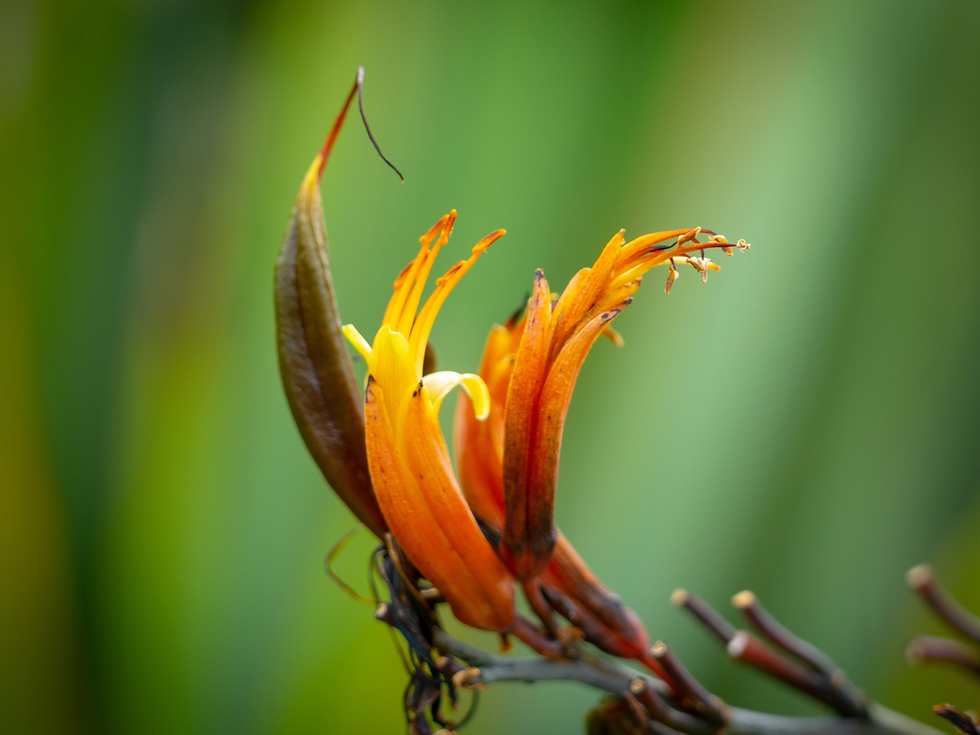
Adds architectural flair while offering good fire resistance — as long as dead leaves and fronds are trimmed regularly.
Akeake (Dodonaea viscosa)
Fast-growing and wind-tolerant, akeake has moderate flammability but performs well as part of a layered fire-wise design.
Karo (Pittosporum crassifolium)

This salt- and wind-tolerant shrub is often recommended for coastal fire-wise gardens due to its thick, leathery leaves.
Avoid planting large quantities of kanuka (Kunzea ericoides) or manuka (Leptospermum scoparium) close to your home. While these natives are excellent for regeneration projects, their high oil content makes them more flammable.
Designing Your Fire-Wise Garden
Creating a fire-wise native garden is about smart design, not just plant choice. Here’s how to layout your property for maximum safety:
1. Create Defensible Space
Maintain a buffer zone (at least 1–2 m) between your home and any vegetation. Use non-flammable mulch, gravel, or paved areas immediately next to structures.
2. Layer Your Planting
Place low-flammability groundcovers and shrubs closest to your home, then transition to taller trees further away. This “green gradient” reduces radiant heat and slows fire spread.
3. Green Firebreaks
Use strips of low-flammability natives — such as broadleaf or karamu — as natural firebreaks between your home and bushland. These can help intercept embers and reduce flame movement.
4. Prune, Water, Maintain
Even fire-resistant plants become risky if they’re dry or overgrown. Regular pruning, watering during dry months, and removing dead material is essential.
Maintenance: The Secret to Ongoing Protection
Your garden’s fire-resilience is only as strong as your maintenance routine. Try these tips:
Remove dry fronds from flax and clean up fallen branches.
Water early in the morning to help plants retain moisture through the day.
Keep gutters and drains free of debris.
Avoid storing firewood or garden waste near your house.
Mulch with gravel, pebbles, or composted bark rather than dry straw or wood chips.
Regular upkeep transforms your native garden from a potential fire hazard into a living shield.
Dual Benefits: Fire Safety + Biodiversity
Choosing low-flammability natives isn’t just about protecting your home, it also supports local wildlife and contributes to New Zealand’s reforestation goals.
Species like karamu and broadleaf provide habitat and food for birds, while flax supports pollinators and native insects. Fire-wise native planting can improve biodiversity while acting as a natural defence line.
By choosing locally sourced native plants, you’re helping maintain genetic diversity and supporting regional ecology, all while safeguarding your property.
Quick Fire-Wise Garden Checklist
Action | Benefit |
Choose low-flammability native plants | Reduces ignition risk |
Keep a clear, green zone around buildings | Stops direct flame contact |
Maintain plants and remove dry debris | Prevents fuel build-up |
Water and mulch strategically | Keeps plants hydrated |
Use layered planting design | Slows and deflects heat |
Support biodiversity | Helps NZ ecosystems recover |
A fire-wise native garden isn’t just smart, it’s sustainable, resilient, and deeply connected to Aotearoa’s unique environment. With careful plant selection, thoughtful design, and consistent maintenance, your garden can become both a sanctuary and a safeguard.
At Native Restorations, we’re passionate about helping landowners, councils, and communities protect the landscapes they love. One native plant at a time.
Ready to create your own fire-wise garden?
👉 Contact Native Restorations for expert advice on planting, restoration, and pest-plant management across Marlborough, Nelson, and Kaikōura.


Comments